
What Is Black Mold?
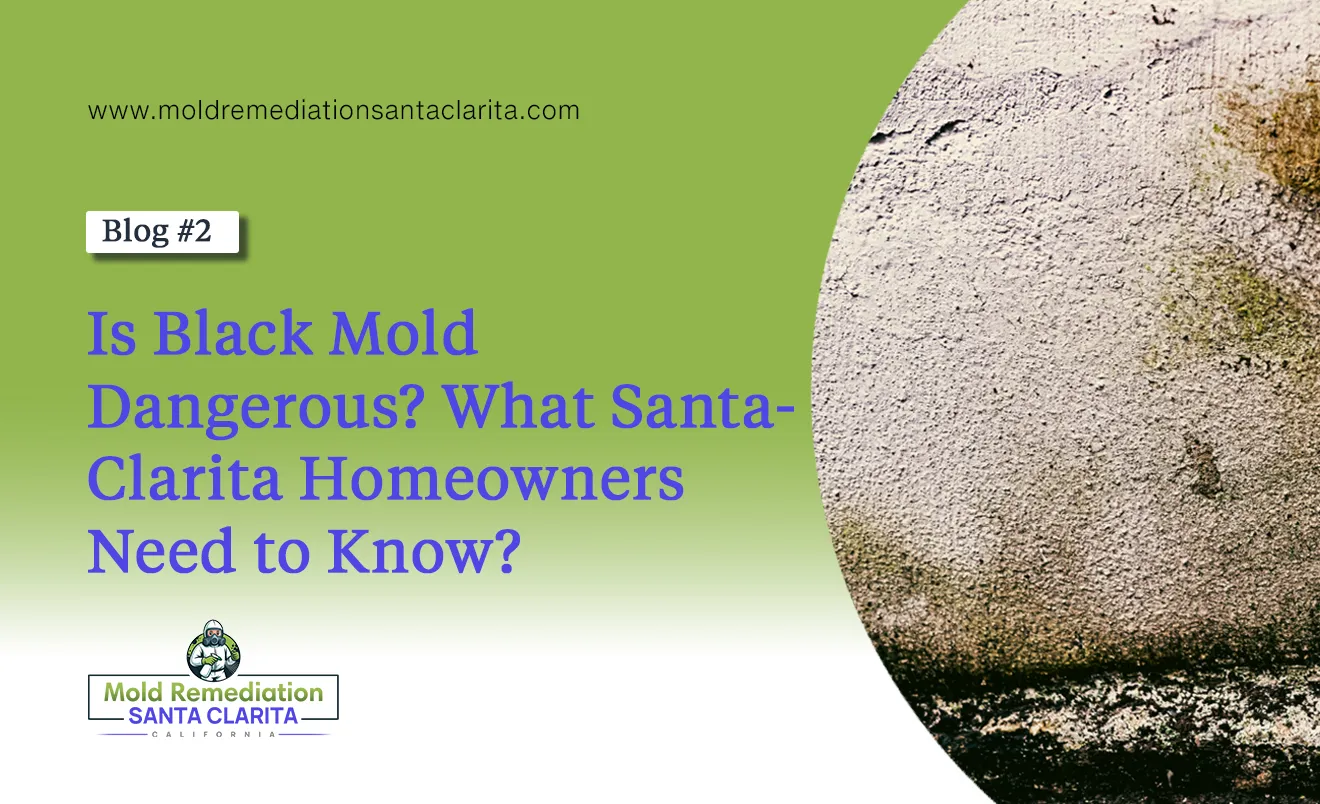
Black mold refers most commonly to Stachybotrys chartarum, a greenish-black mold that grows on materials with high cellulose content — such as drywall, wood, ceiling tiles, and paper — that have been exposed to sustained moisture.
Despite its name, not all black-colored mold is Stachybotrys. Other mold species can also appear dark. The only way to confirm the species is professional mold testing.
What Are the Health Effects of Black Mold Exposure?
Exposure to black mold and its mycotoxins has been associated with a wide range of symptoms. Affected individuals commonly experience chronic coughing and sneezing, nasal and sinus congestion, and irritation of the eyes, skin, and throat. Persistent headaches and fatigue are also frequently reported, along with difficulty breathing or worsening asthma. In severe or prolonged cases, exposure can lead to pulmonary hemorrhage, neurological symptoms, or immune suppression.
Symptoms often improve when the person leaves the affected building — a strong indicator that indoor mold may be the cause.
Important: If anyone in your home is experiencing unexplained chronic respiratory symptoms, consult a doctor and schedule a mold inspection.
How to Identify Black Mold in Your Santa Clarita Home
Black mold typically appears as dark greenish-black patches, often with a slimy or wet texture. It tends to develop in areas with persistent moisture — under sinks, behind toilets, in crawl spaces, around window frames, and in attics with roof leaks — and is usually accompanied by a strong, musty, earthy smell. Because it commonly grows behind walls or under flooring, you may smell it before you ever see it.
In Santa Clarita, the most common locations for black mold are crawl spaces — especially in older homes near the Santa Clara River floodplain — followed by bathrooms, where it develops around grout, caulking, and behind walls in shower areas. Attics are another frequent problem area due to poor ventilation or roof leak damage. Under kitchen sinks is also a common site, typically from slow drips that go unnoticed, as are laundry rooms where washing machine hose leaks can go undetected for extended periods.
Can I Clean Black Mold Myself?
For small surface spots of non-toxic mold species (less than 10 square feet), limited DIY cleaning may be possible with proper protective equipment. However, you should not attempt DIY black mold removal if the affected area is larger than 10 square feet, if you suspect Stachybotrys (black mold), or if the mold is inside walls, under flooring, or in structural materials. DIY removal is also strongly inadvisable if anyone in the household has respiratory issues, allergies, or a compromised immune system, or if the moisture source has not yet been identified and fixed.
It is also important to note that bleach does not kill black mold on porous surfaces. It removes the discoloration but leaves the mold's root structure (mycelium) alive. The mold will return within weeks.
What Does Professional Black Mold Removal Involve?
Our IICRC certified black mold removal process in Santa Clarita follows a thorough, multi-step protocol. We begin with a full inspection to assess the extent of growth and test to confirm the mold species. Before remediation begins, we identify and document the moisture source to ensure the problem does not recur. We then establish full containment using heavy-duty plastic barriers and negative air pressure to prevent spore spread, and our technicians work in full personal protective equipment throughout.
All affected drywall, insulation, or wood is safely bagged and disposed of, while HEPA air scrubbing removes airborne spores from the contained area. EPA-approved antimicrobial treatment is then applied to all affected and surrounding surfaces. Finally, post-remediation air quality and surface testing confirm that the area is fully clear before we consider the job complete.
Frequently Asked Questions About Black Mold
How quickly does black mold grow?
Mold can begin growing within 24–48 hours of water exposure. Black mold colonies become visible in 1–2 weeks under the right conditions — moisture, warmth, and organic material.
How do I know if I have black mold or just regular mold?
You cannot reliably tell by appearance alone. Professional mold testing using air samples and surface swabs is the only way to identify the species. We include testing as part of our inspection service.
How much does black mold removal cost in Santa Clarita?
Black mold removal in Santa Clarita typically costs $1,500–$5,000 depending on the size and location of the infestation. We provide free on-site estimates.
Is black mold covered by homeowner's insurance?
It depends on the cause. If black mold resulted from a sudden covered event like a burst pipe, your insurance may cover remediation. Mold from long-term neglect or flooding is usually not covered. We provide documentation to support insurance claims.
Found Black Mold in Your Home?
Don’t wait — get a free professional inspection today. Available 24/7 in Santa Clarita, Valencia, Canyon Country & Newhall.
📞 +1 661 517 6612
Comments (0)